
Tumblr Nostalgia
The Brief: Develop a multimedia project exploring Tumblr’s cultural impact on teenagers throughout the 2010s. The work needed to reflect the platform’s distinctive aesthetic and investigate its lasting influence on youth culture.
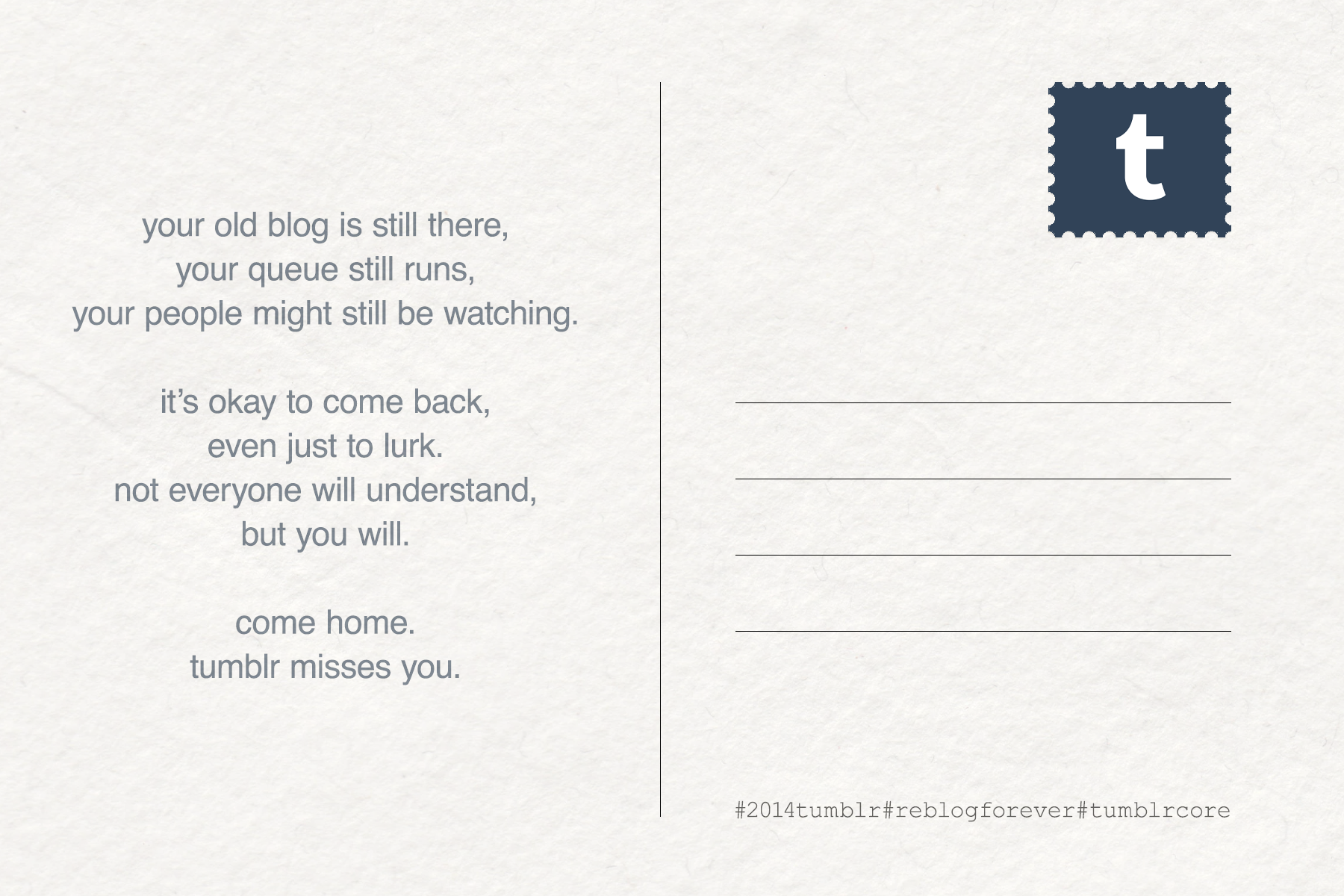
The Outcome: A cohesive project combining a postcard series inspired by 2010s Tumblr visuals, a podcast conversation with a fellow former user, and a written article analysing the platform’s role in shaping online identity and creative expression both then and now.
Reflecting on Tumblr: Was it really that great or are we just nostalgic?
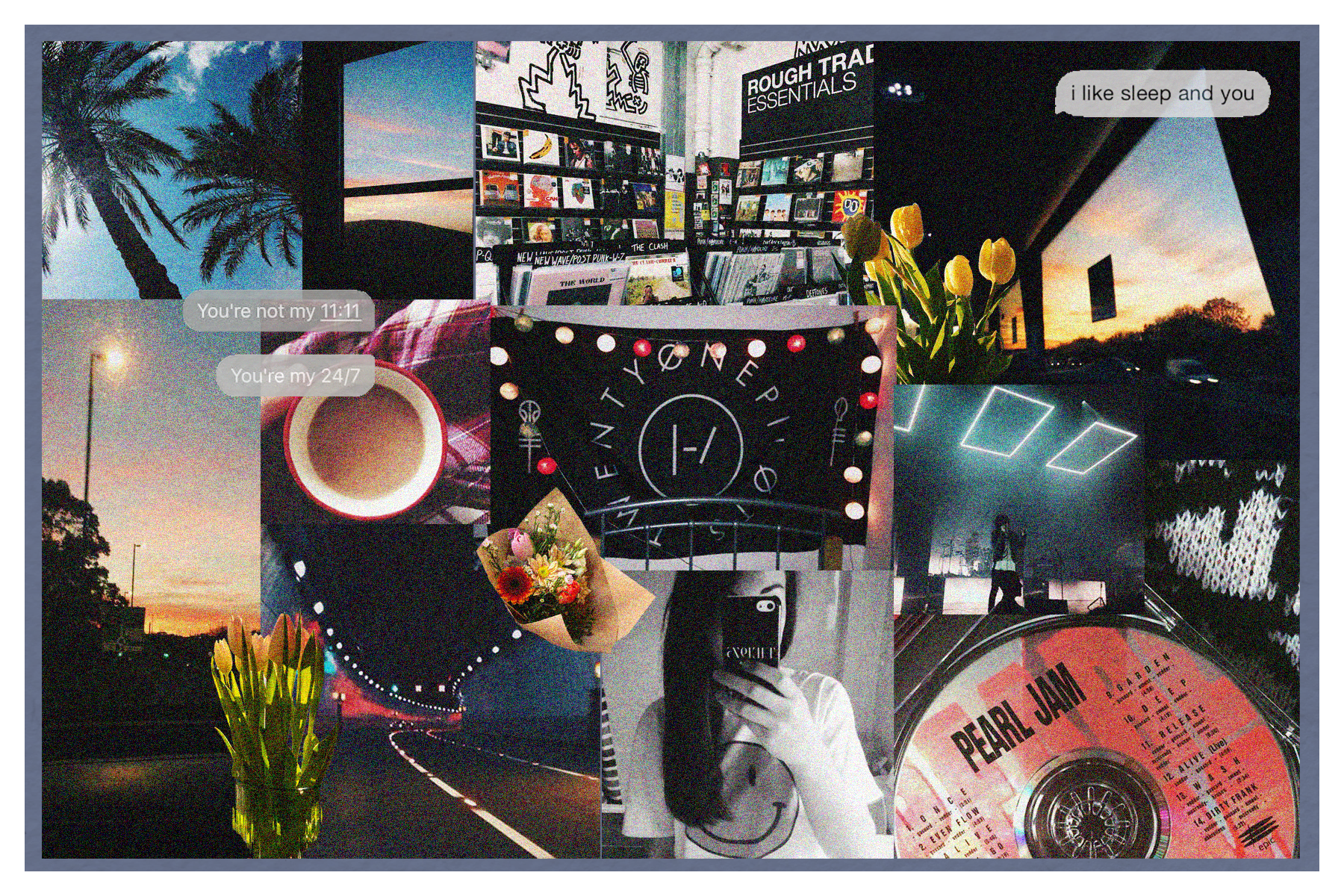
If you’ve ever seen an overly filtered photo of fishnet tights and tattoos, someone holding a half-smoked cigarette with chipped black nail polish, or a washed-out landscape image plastered with a sad quote in Helvetica. Chances are, it came from Tumblr.
At its peak, Tumblr wasn’t just a website. It was the place to be. Between 2010 and 2015, it was a digital home for teenagers, a hybrid between a blog and a social media platform, where you could reblog images, quotes, and GIFs that just got you. It didn’t matter if you were into fandoms, fashion, poetry, or crying to Lana Del Rey at 2 am. Tumblr had a space just for you.
“This is your space. Every video you find, every quote you reblog, every tag you curate, every waterfall GIF you secretly gaze at in wonder—that's all you. You're the explorer. We're just a map you all keep on making.” – Tumblr’s About Page
Tumblr wasn’t polished or curated like Instagram would later become - it was messy, emotional, anonymous, and completely yours. It let you build a version of yourself through pictures, music, and feelings. It didn’t ask for your real name or for selfies of your best angle. It wanted your heartbreak, your obsessions, your unfiltered thoughts.
-
As every platform has, there was a darker side to Tumblr, it had a reputation for romanticising mental health struggles, turning things like depression, self-harm, and addiction into aesthetics. And with the minimum sign-up age being just 13, a lot of people saw content they probably shouldn’t have. That's deeply questionable in hindsight.
But before we get too dark, it’s worth remembering why so many of us loved it. Tumblr was one of the first platforms that felt like ‘ours’. It gave us a place to dump our favourite song lyrics, discover niche artists, obsess over TV characters, and connect with people who were also lying awake at night listening to The 1975 on repeat.
Artists like Halsey, The 1975, and Lana Del Rey weren’t just popular on Tumblr - they defined the mood of the site. Halsey posted poems, intimate thoughts and built a fanbase before she even had a debut album. Lana’s dreamy, tragic California vibe captured Tumblr's essence: being pretty and sad at the same time. You had The 1975, with their black and white aesthetic and cigarettes-in-the-dark energy, made emotional turmoil feel like a lifestyle choice.
It wasn’t just about music, though. Tumblr shaped fashion too. Stripey tops, denim jackets, Doc Martens. Skater skirts, fishnets, dip-dyed hair. You’ve probably seen the iconic photo of teens standing against a wall in full Tumblrcore uniform - grungy, effortlessly cool, like a 90s music video? That was the look. Even celebrities such as Kylie Jenner joined in with pastel hair trend. Makeup? Think glittery eyelids and smudged eyeliner like Effy from Skins. It was all about looking like you hadn’t slept in days and somehow making that aspirational.
But Tumblr didn’t just influence teens by the fashion. It also helped artists connect with fans in ways that felt personal. Taylor Swift, during her 1989 era, famously used Tumblr to secretly invite fans to exclusive listening sessions. Users would follow tags and reblogs like clues which allowed users could fall into endless rabbit holes of content and find entire communities based on your weirdest niche interests. Those tags also helped solidify Tumblr's aesthetics. If your blog had #grunge, #sadgirl, or #softgoth in the bio, people knew what kind of content to expect. It was your identity in hashtags.
And while Tumblrcore has crept back into fashion lately, TikTok’s revival of tennis skirts, chunky boots, and oversized band tees, it’s missing something. The personality that came with it. We’re more aware now that glamorising mental health struggles isn’t cool, and the whole “sad girl aesthetic” is viewed with more concern than romanticism. Back then, it was all too easy to scroll through endless photos of self-harm or eating disorder content with zero warnings. Shows like Skins exposed Gen Z to trauma way too early, and Tumblr didn’t just reflect that, it amplified it.
Eventually, people drifted away. Instagram and Twitter took over, offering cleaner, shinier versions of online identity. In 2018, Tumblr was removed from the Apple App Store due to reports of child exploitation imagery. Soon after, the platform banned all adult content and introduced safety features, search something like “depression” now, and you’ll get mental health resources. A great move, but probably a few years too late.
Even so, the backlash was real. Many LGBTQ+ users felt erased, especially when sex-positive and queer content was caught in the content purge. Tumblr had been one of the only safe spaces for that kind of representation and losing it hurt the community.
So what now? TikTok has taken over, with over 2.1 billion users and 1 in 4 under the age of 20, according to a study by Exploding Topics. But even TikTok can’t fully police harmful content, people still find ways to talk about mental health struggles using asterisks or coded language.
The thing is, nostalgia hits hard when it comes to Tumblr. For all its flaws, it gave us something special: a weird, beautiful corner of the internet where we could be heartbreakingly earnest, painfully emo, and totally ourselves. If Tumblr didn’t exist, would something else have come along to hold our teenage sadness and scatter it across our dashboards? Probably. But it wouldn’t have looked quite like this.
Social media changes fast, but nothing will ever feel quite like Tumblr did. And maybe that’s for the best, but still, we’ll never forget it.